
The Science Behind Chronic Respiratory Exacerbations
Understanding why respiratory infections persist is key to developing more effective therapies.
Hermione Therapeutics focuses on one of the major drivers of chronic infection and antibiotic failure: bacterial biofilms.
A Growing Global Health Challenge
Chronic respiratory diseases such as COPD, bronchiectasis and cystic fibrosis affect millions of patients worldwide.
Among the pathogens associated with chronic respiratory infections, Pseudomonas aeruginosa is one of the most clinically challenging. Its ability to persist within the lungs contributes to recurrent exacerbations, hospitalizations and progressive loss of lung function.

Bronchiectasis
>30 M worldwide

Cystic fibrosis
~100,000 worldwide

Chronic obstructive pulmonary disease
400 M worldwide

When Infection Becomes a Vicious Cycle
Chronic respiratory diseases create an environment that favors bacterial colonization.
Persistent infection fuels inflammation, impairs mucus clearance and progressively damages lung tissue, creating a self-sustaining cycle that becomes increasingly difficult to break.
Infection
P. aeruginosa colonizes mucus and forms protective biofilms, making the infection chronic, severe and difficult to clear, leading to hospitalizations and a high economic burden.
Lung injury
Persistent infection and inflammation cause severe lung damage and quality of life deterioration.
Inflammation
CRD triggers inflammation in airway cells.
Cilia dysfunction
Inflammation damages cilia, reducing mucus clearance. These microscopic hair-like structures normally help remove mucus, bacteria and inhaled particles from the airways. When their function is impaired, mucus accumulates, creating a favorable environment for bacterial growth.
Mucus pooling
Mucus accumulates in lungs, creating a favorable environment for bacterial growth.
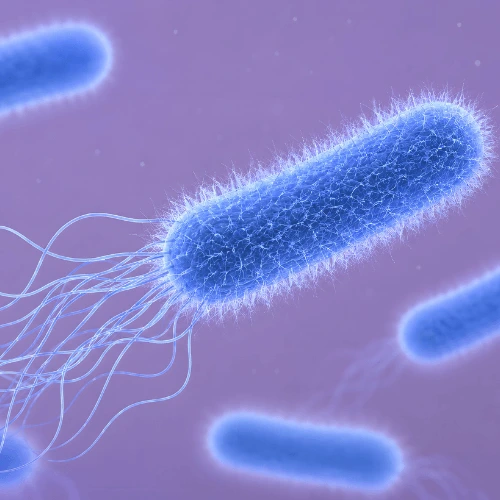
Pseudomonas aeruginosa : a major respiratory threat
Among respiratory pathogens, Pseudomonas aeruginosa is considered one of the most clinically challenging. Its ability to persist within the lungs, trigger recurrent exacerbations and progressively damage respiratory function makes it a major challenge for clinicians worldwide.
Dispersing Biofilms to Restore Antibiotic Efficacy
Antibiotics remain the standard of care for respiratory infections, yet their effectiveness is increasingly challenged.
One of the main reasons is the ability of bacteria to organize themselves into protective structures known as biofilms, which shield them from both antibiotics and the immune system.
Rather than targeting bacteria directly, our new approach consists of disrupting the biofilm itself.
By dispersing this protective barrier, bacteria become vulnerable again, allowing antibiotics to recover their effectiveness and helping prevent long-term persistence.


← Drag the slider to see how bacteria become disarmed →

Schema details
1 – Binding of ANP to P. aeruginosa AmiC receptor on biofilm surface
2 – Intracellular signal changing AmiC’s conformation -> AmiR release
3 – Regulation by AmiR of genes encoding enzymes involved in the disassembly of matrix polysaccharides and propagation & access to all remaining bacteria
4 – Biofilm alteration allowing greater penetration of antimicrobial agents
How ANP Works
Hermione Therapeutics is developing a best-in-class therapeutic platform based on ANP (Atrial Natriuretic Peptide), a naturally occurring human peptide shown to disperse Pseudomonas aeruginosa biofilms.
Designed as a companion therapy, ANP is intended to work alongside existing antibiotics rather than replace them. By restoring access to bacteria hidden within biofilms, ANP helps improve treatment outcomes while limiting antibiotic escalation.
ANP interacts with a bacterial sensor known as AmiC, triggering a signaling cascade that promotes the production of enzymes involved in biofilm matrix degradation. As the biofilm structure breaks down, bacteria become more accessible to both immune defenses and antibiotic therapies.
The anti-biofilm approach developed by Hermione Therapeutics is supported by published scientific evidence and positive feedback from more than 50 respiratory medicine experts.
Advancing a New Approach to Respiratory Infections
Discover the preclinical data supporting Hermione’s anti-biofilm platform.